When purchasing a luxury watch, sales staff usually provide a brief explanation of how to handle it. However, in the excitement of the moment, it’s easy to miss some details—or forget them as time goes on.
Misusing a high-end timepiece can lead to mechanical failure and extremely costly repairs. To avoid these risks, it is essential to know what not to do.
What Should You Watch Out For?
Broadly speaking, there are two areas where care is required: Usage Environment and Operational Handling.
1. Environmental Hazards (How You Wear It)
Mechanical watches are delicate instruments. Avoid the following situations to prevent internal damage:
-
Exceeding Water Resistance: Always check your watch’s depth rating before getting it wet.

-
Magnetic Fields: Keep your watch away from speakers, smartphones, and magnetic clasps. (Magnetism is a leading cause of watches running fast or slow).
-
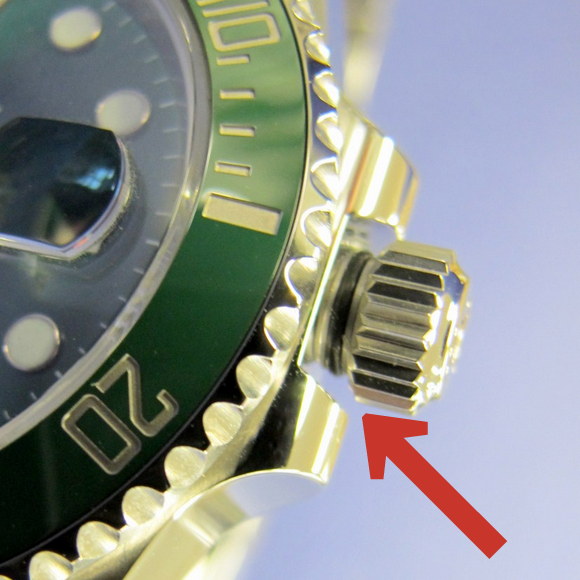
Forgetting to Lock the Crown: When these are left unscrewed, the watch's water resistance is compromised, allowing moisture to enter the case even during simple tasks like washing your hands.
-
Strong Impacts and Vibrations: Activities like golfing, mountain biking, or using high-impact power tools can send significant shocks through the movement, potentially damaging the delicate escapement.

-
Hot Baths and Showers: Even if a watch is waterproof, high temperatures and steam can deform gaskets and allow moisture to seep in.

2. Operational Hazards (How You Handle It)
Mechanical watches (automatic and manual) require more careful handling than quartz watches.
-
Reverse Hand Setting: Avoid winding the hands backward over long distances (except for specific "GMT" or "Travel" movements designed for it).
-
Aggressive Shaking: To start an automatic watch, a gentle swing is enough. Violent shaking can damage the oscillating weight.
-
Overwinding Manual Watches: Once you feel resistance (the "stop"), do not force it further, or you may snap the mainspring.
-
Operating the Crown with Wet Hands: Moisture can enter the case through the crown tube if it is pulled out while wet.
-
Changing the Calendar at Midnight: This is one of the most common causes of gear damage. (See details below).
Why Changing the Date at Night is Dangerous
You may have heard that you shouldn't change the date on a watch between 8:00 PM and 4:00 AM. This refers to the time displayed on the watch, not necessarily the actual time of day.
The Science Behind the "Danger Zone"
Inside a mechanical watch, the date disc is a ring with teeth on the inner edge. A component called the "Date Driving Wheel" makes one full rotation every 24 hours. Around midnight, a small finger (cam) on this wheel engages with the teeth of the date disc to push it forward.
This process is slow and begins engaging hours before midnight. If you use the crown to "Quick-Set" the date during this window, you are engaging a separate "Setting Wheel." This creates a "clash" where two different gears are trying to move the same disc at the same time. The result? The delicate finger on the driving wheel can snap or bend.
The Solution: If you need to change the date during these hours, first pull the crown out to the time-setting position, move the hands to a "safe" time (like 6:00), change the date, and then reset the time.
The Exception: Modern "Date-Safe" Movements
The watch industry is constantly evolving. Some modern movements have solved this "clash" problem.
-
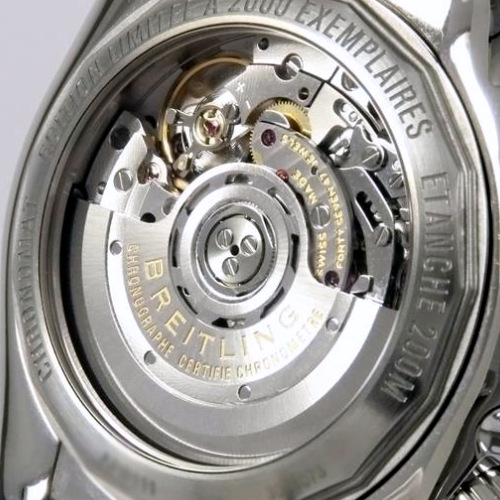
Breitling Caliber 01 (B01): Launched in 2009, this in-house movement features a "flexible" finger on the date wheel. If you try to change the date at midnight, the finger simply retracts like a spring and then pops back into place without breaking.
-
Rolex 3200 Series: Rolex’s newest generation of movements (like the Cal. 3235 and 3255) are also designed to allow date changes at any time without damaging the mechanism.
Closing Thoughts
Understanding these "Dangerous Habits" can significantly reduce the risk of a breakdown. When we combine careful ownership with the innovative engineering of brands like Rolex and Breitling, our cherished timepieces can last a lifetime.
If you have questions about a specific model, feel free to contact us at KOMEHYO USA.
Shop Watches at KOMEHYO USA
Credit: KOMEHYO Japan
Translation / Edit / Localization: KOMEHYO USA